

AGROSYNC brings together hands-on agronomic expertise and precision technology to turn regenerative agriculture into practical, measurable results in the field.






Practical implementation of regenerative farming practices, guided by field diagnostics, measurable indicators and ongoing technical support — with profitability at the core.

A practical path to healthier soils, greater resilience and long -term economic sustainability
AGROSYNC brings together hands-on agronomic expertise and precision technology to turn regenerative agriculture into practical, measurable results in the field.

Understanding regenerative agriculture starts with recognising the limitations of conventional farming.
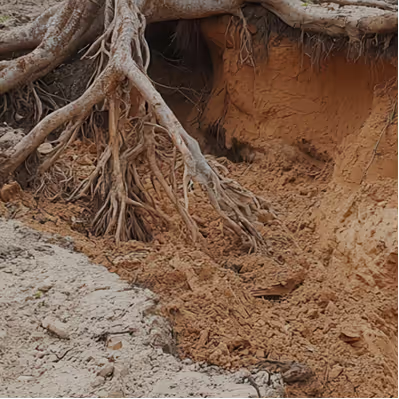

Conventional farming often relies heavily on mineral fertilisers, herbicides and pesticides to achieve high yields. Over time, this dependence reduces soil organic matter and fertility, diminishes biodiversity and increases CO₂ emissions.
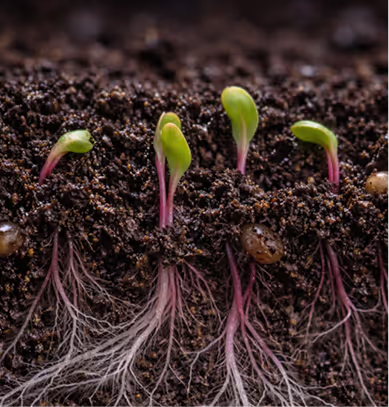


Regenerative agriculture combines traditional knowledge with scientific and technological rigour. It uses practical methods to restore soil nutrients, improve water retention and support biodiversity. The aim is to rebuild ecosystem balance and strengthen the long-term viability of farms.
A recent EARA* study of 78 farms across 14 European countries showed that regenerative systems can significantly reduce reliance on inputs and improve farm margins while maintaining overall productivity.



*The European Alliance for Regenerative Agriculture (EARA), “Farmer-led Research on Europe’s Full Productivity”

From diagnosis to field implementation, each transition follows a structured technical approach tailored to the realities of the farm.
The process begins with a clear baseline, followed by a phased transition plan, field implementation and ongoing optimisation based on measurable results.

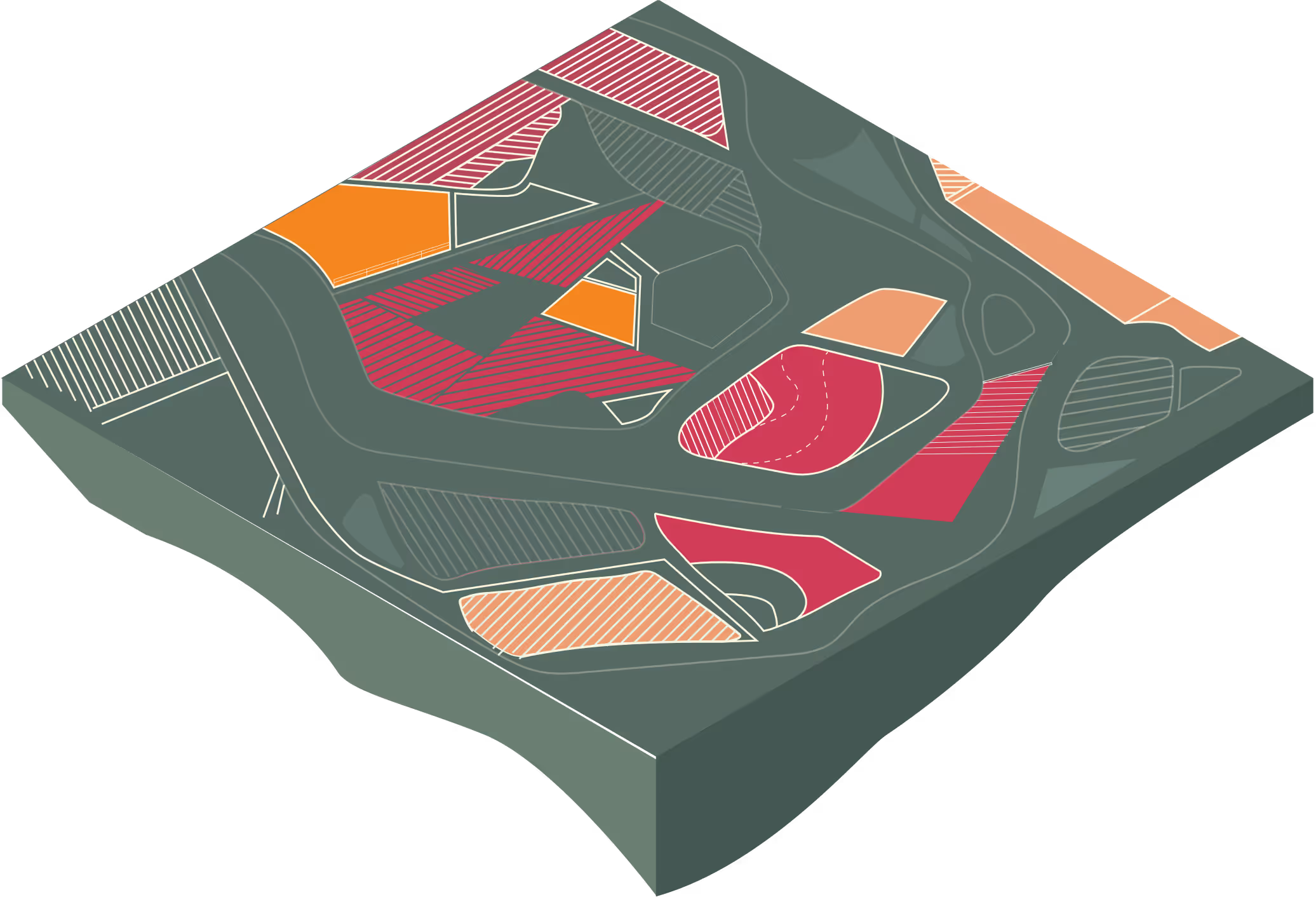
Assess the plot, measure indicators, and define the starting point to make informed decisions.

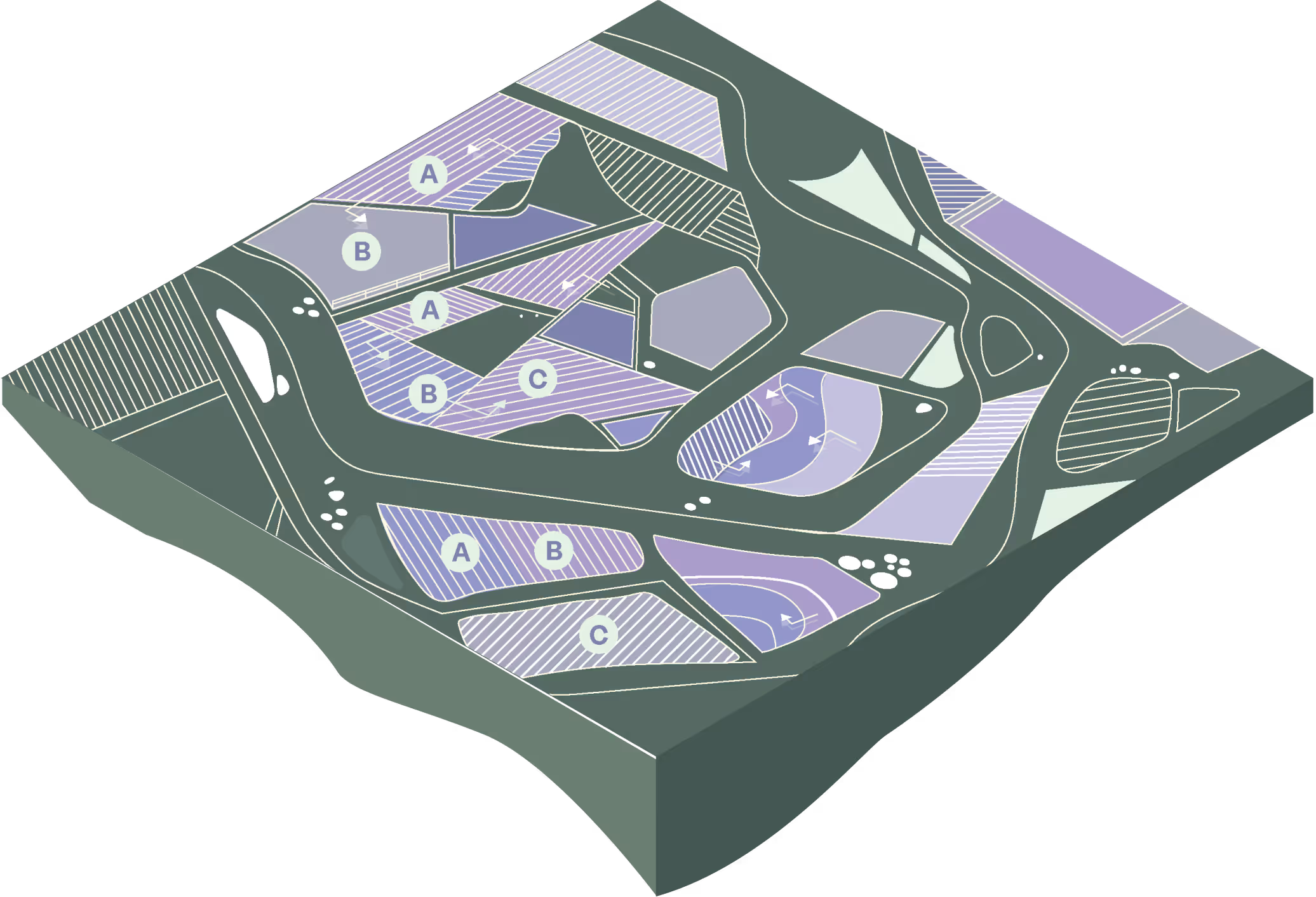
Plan rotations, restructure habitats, and pursue farm sustainability while respecting the ecosystem.

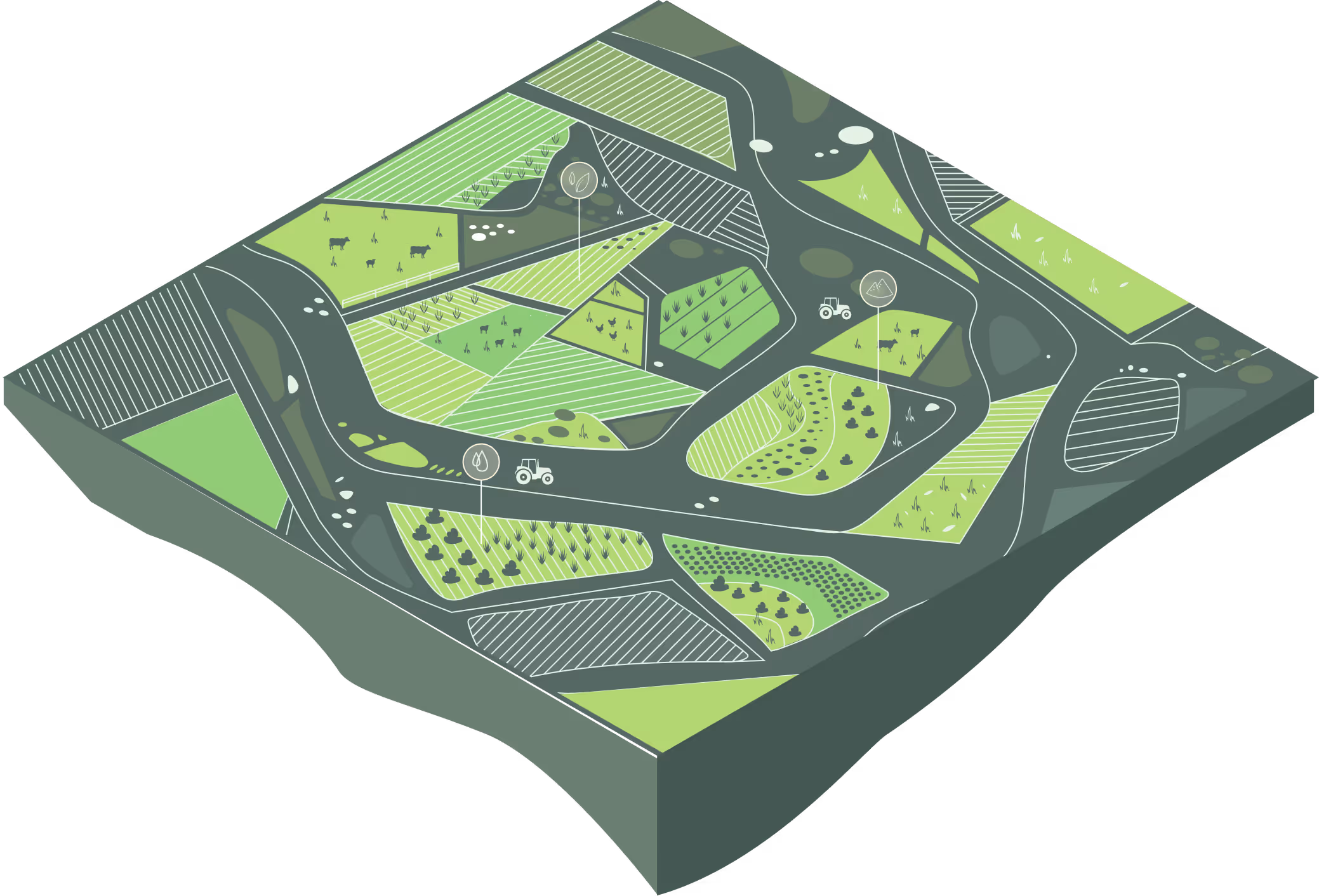
Introduce species intercropping in cover crops, partially replace synthetic products with organic solutions, and preserve soil aggregates.

Farm-specific diagnostics, technical support and tailored solutions to improve soil health, strengthen resilience, reduce dependence on external inputs and increase profitability.
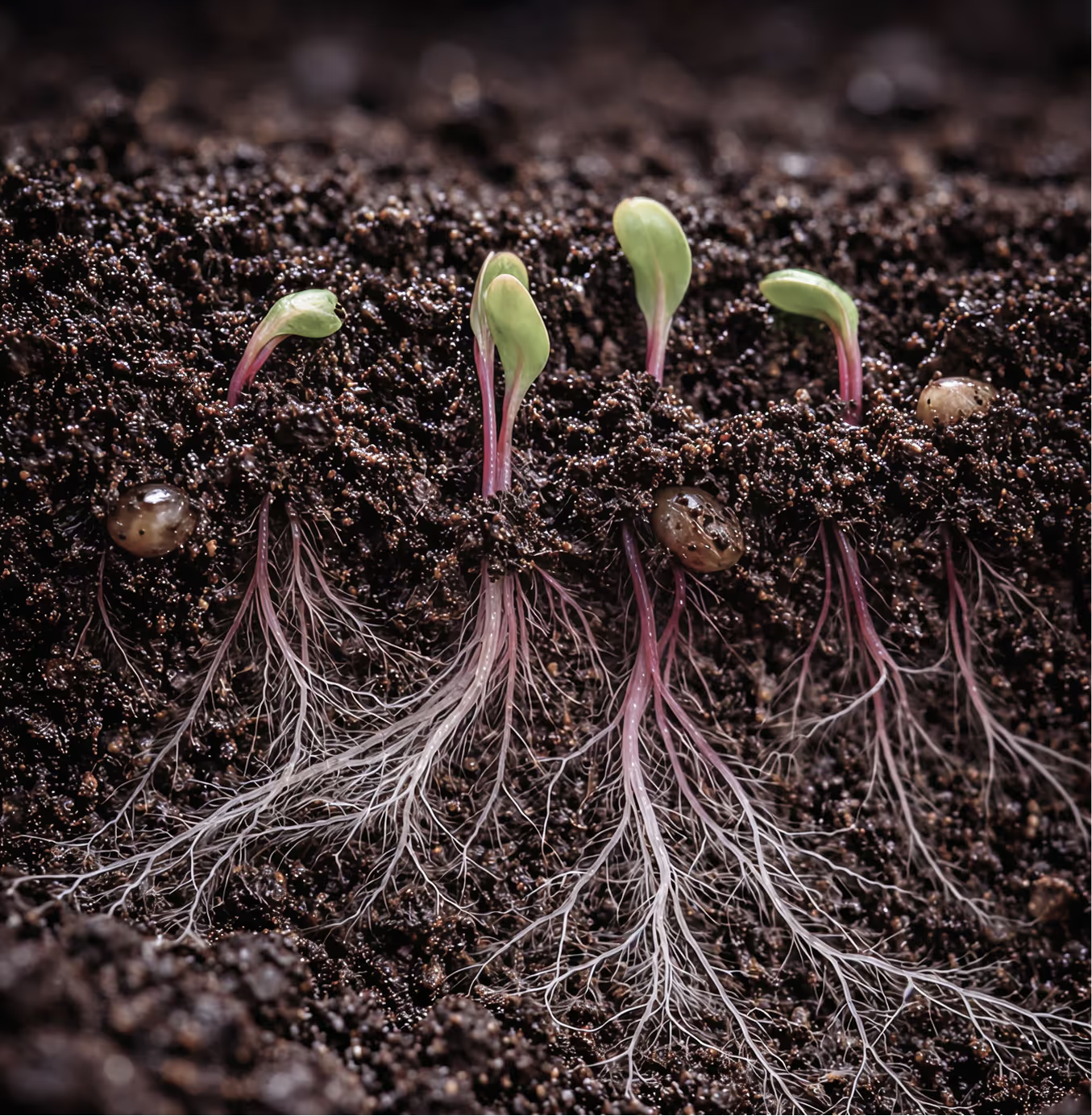


Farm-specific strategies to rebuild soil health, use resources more efficiently and improve long-term resilience and profitability.



The right field-monitoring technologies, selected and integrated to improve decision-making, efficiency and performance — with practical setup and ongoing support.


Careful selection of organic products and materials, designed to boost soil health, farm resilience, and system balance.



The transition to a more resilient and profitable farm starts with a clear understanding of your soil
* Source: FAO — Global Symposium on Soil Erosion


